How Edge AI Is Changing the Way Smart Devices Process Information
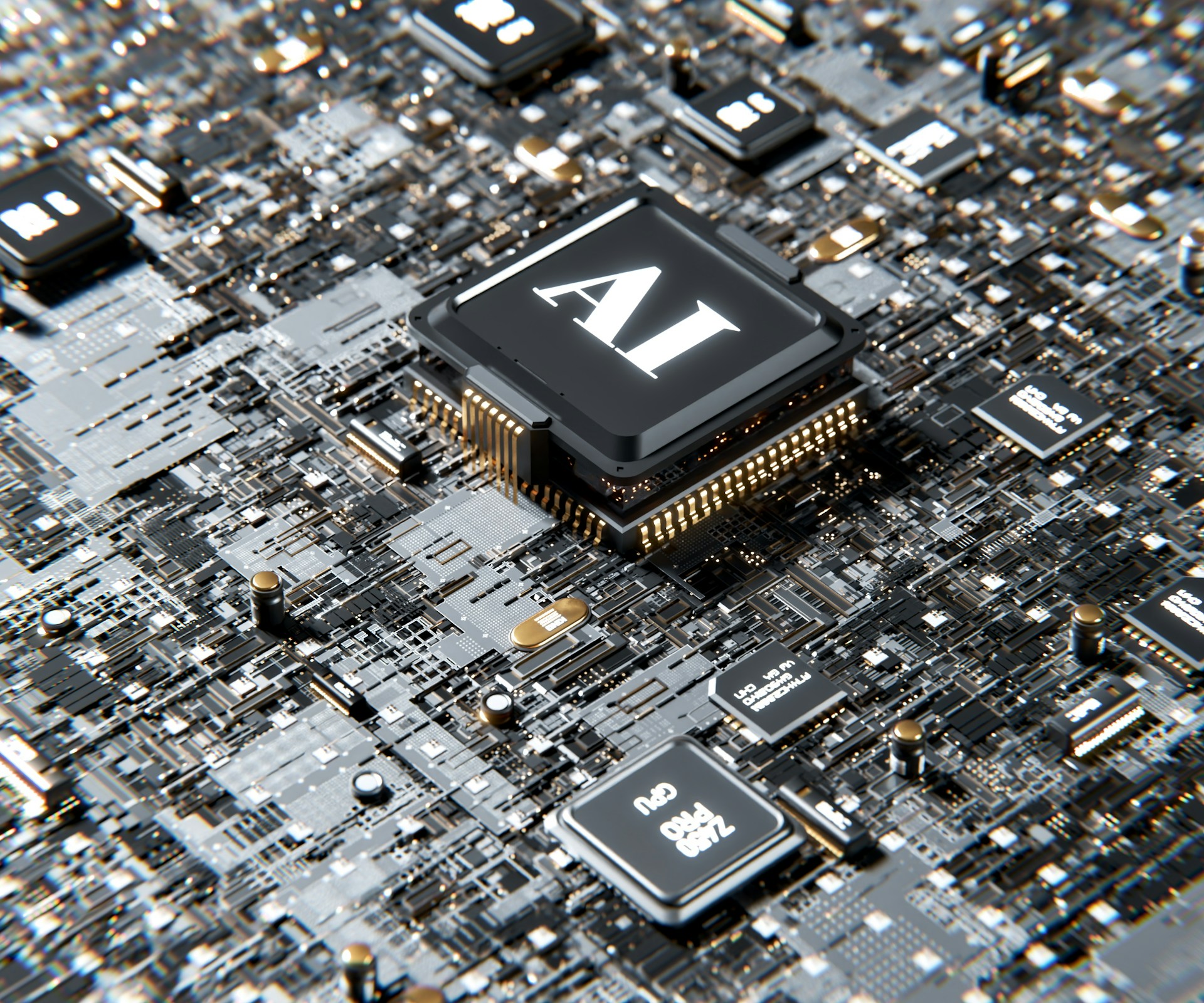
Smart devices are becoming more capable of handling tasks that once required powerful computers or constant internet access. From home security cameras to wearable technology, many products now use artificial intelligence to recognize patterns, interpret information, and respond to user activity. Traditionally, these processes often depended on sending data to remote cloud servers for analysis. However, edge AI is changing this approach by allowing devices to process information closer to where it is collected. This development makes digital systems more responsive and reduces their dependence on external computing resources. As connected technology continues to expand, edge AI is becoming an important part of modern device design. Understanding how it works helps explain why manufacturers are adopting this technology and how it can improve everyday digital experiences.
Understanding How Edge AI Processes Data
Edge AI combines artificial intelligence with edge computing. Instead of transferring every piece of collected information to a remote server, a device performs certain processing tasks using its own computing hardware or a nearby edge system. This allows it to analyze information and produce results without depending entirely on an internet connection. For example, a smart security camera equipped with edge AI can identify movement, recognize familiar patterns, and distinguish between people and ordinary background activity. It does not necessarily need to upload every recording for cloud-based analysis. The device can handle much of the work locally and send only relevant information when required. This approach changes how smart devices operate. Processing becomes more distributed, allowing individual products to perform intelligent functions while reducing the amount of information that travels across networks.
Reducing Delays Through Local Processing
One of the main advantages of edge AI is its ability to reduce processing delays. When a device sends information to a distant server, the data must travel through a network before a response can be returned. Network congestion, weak connections, and server distance can affect how quickly this happens. Local processing removes several of these steps. A smart device can analyze incoming information and respond almost immediately because the processing takes place nearby. This is particularly useful for applications that require quick decisions. Consider an intelligent security system that detects unusual movement around a property. It can analyze the activity and trigger an alert without waiting for a remote server to complete the entire process. Similarly, voice-controlled devices can recognize certain commands locally, creating a smoother interaction. Faster responses make connected technology more practical for situations where timing matters.
Strengthening Privacy Through Local Analysis
Privacy is another important consideration in the development of edge AI. Smart devices often collect information about personal activities, household environments, and daily routines. Sending large amounts of this data to external servers can create additional privacy concerns. Edge AI offers an alternative by allowing sensitive information to remain on the device whenever cloud processing is unnecessary. For instance, a wearable device may analyze movement patterns or sleep-related activity locally before displaying the results to its user. Reducing unnecessary data transfers can limit exposure during communication and storage. However, local processing does not automatically guarantee complete security. Devices still require proper encryption, software updates, access controls, and responsible data management. Manufacturers must consider these protections when designing intelligent products. Combining local analysis with strong security practices can help build greater confidence in connected technology.
Improving Efficiency Across Smart Devices
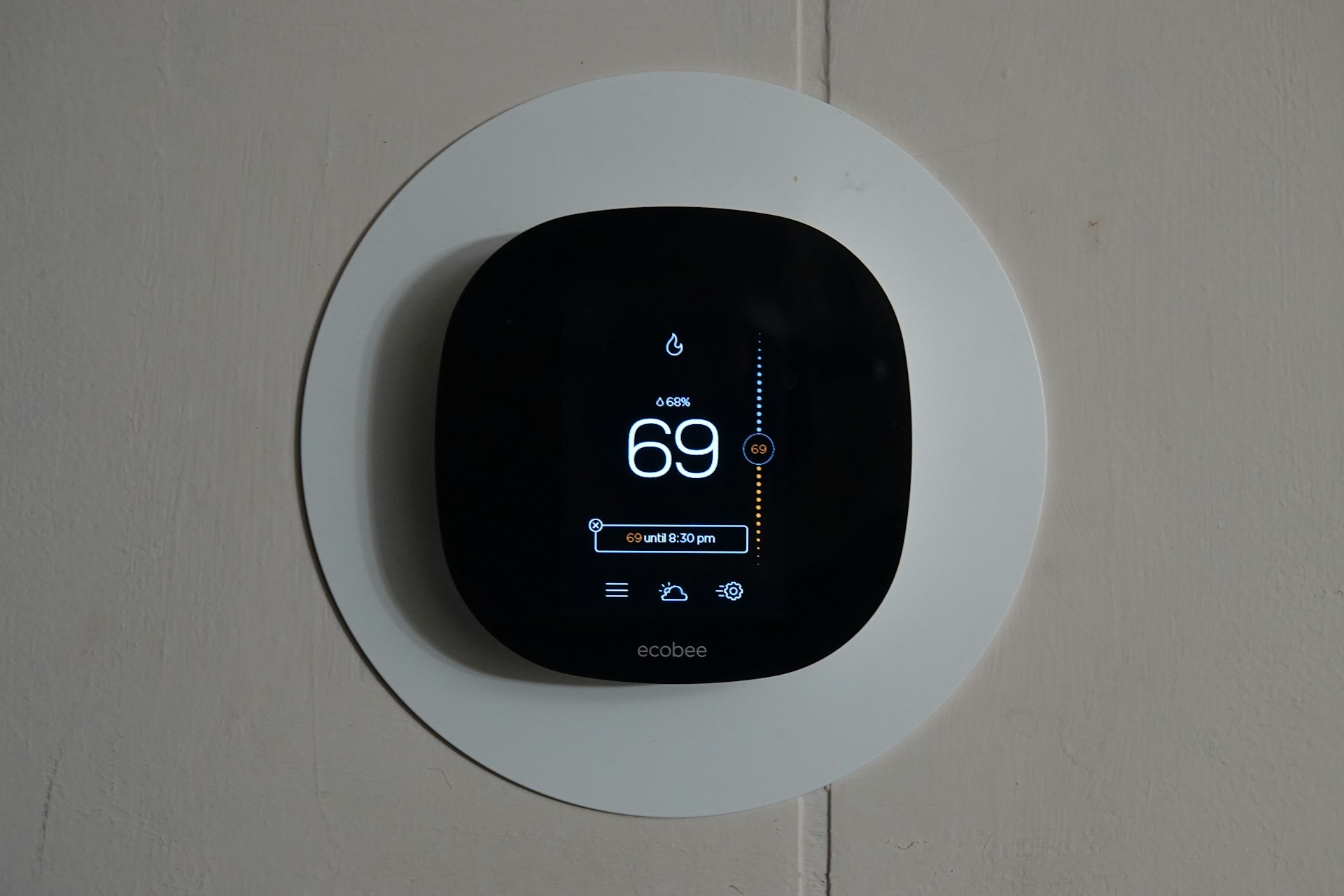
Processing information locally can also improve network efficiency. Smart homes, industrial facilities, and connected workplaces may contain numerous devices that continuously generate data. Sending every reading to cloud servers can consume substantial bandwidth and increase communication demands. Edge AI helps manage this workload by analyzing information near its source. A smart thermostat, for example, can evaluate temperature readings and adjust heating or cooling settings based on local conditions. It does not need to transmit every measurement for basic decisions. This can also reduce unnecessary cloud communication and support more efficient resource use. In industrial environments, connected sensors can identify unusual machine behavior and report important findings instead of continuously sending large volumes of raw information. These capabilities allow connected systems to handle growing amounts of information without placing excessive pressure on network infrastructure.
Expanding Applications Across Industries
Edge AI is influencing several industries by making intelligent processing available in different environments. In healthcare, wearable devices can monitor selected physical activity indicators and identify changes that may require attention. These tools can support personal monitoring, although they do not replace professional medical assessments. In transportation, intelligent cameras and vehicle systems can interpret nearby conditions to support driver assistance features. Retail businesses can also use edge-enabled cameras to understand store activity while limiting unnecessary transfers of recorded footage. Manufacturing facilities benefit from local analysis through predictive maintenance systems. Equipment sensors can detect unusual vibrations, temperature changes, or operating patterns. Early identification of these conditions can help maintenance teams investigate potential problems before equipment failure causes major disruption. These examples demonstrate how edge AI can support faster and more practical decisions across different working environments.
Addressing Limitations and Future Developments
Despite its advantages, edge AI still faces several technical challenges. Smart devices often have limited processing power, memory, and battery capacity. Running complex artificial intelligence models can place additional demands on these resources. Developers must therefore balance model performance with hardware limitations. Another challenge involves maintaining and updating AI systems across many devices. Manufacturers need reliable methods for distributing software improvements, monitoring performance, and addressing security weaknesses. Some applications may also require cloud computing when tasks exceed the capabilities of local hardware.
Future developments are expected to improve specialized processors, energy efficiency, and compact AI models. These improvements could allow smaller devices to perform more advanced tasks without requiring constant cloud access. As this technology develops, edge AI will continue shaping how connected products collect, interpret, and respond to information. Its growing role reflects a shift toward smarter devices that can make decisions closer to the environments where data originates.